Thank you for Subscribing to Agri Business Review Weekly Brief
Why have industries like hospitality, transportation, and e-commerce been radically transformed, yet agriculture remains mostly unchanged? Is it only because produce is perishable?
This thought crosses my mind frequently because, to me, the need for change is obvious. And yet, I believe we’re held back by centuries of doing things the same way. We grow crops, often relying on someone else to sell them. Intermediaries capture most of the value, and the cycle repeats itself.
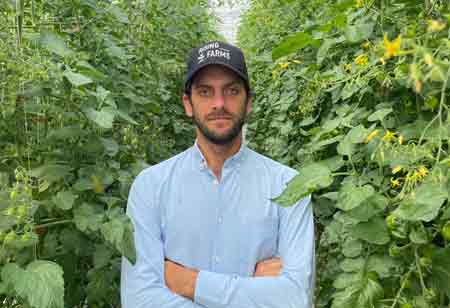
In Mexico, despite the growth of the greenhouse industry since the early 2000s, the dynamics have hardly evolved. I’ve seen this firsthand— today I lead a company that exports 10 million kilograms of produce and employs over 1,000 people.
I don’t have all the answers. I acknowledge that at times, I’ve contributed to the very issues I believe we must overcome. Rather than focusing on tariffs or production technologies, I want to talk about how we must rethink the structure of the industry. My vision revolves around three core ideas:
Aligning Market and Growing Incentives
Growers seek higher yields, and distributors seek higher volumes— but their profitability rarely aligns. Grower margins are too often dictated by retailers’ pricing strategies. Why shouldn't a grower earn better margins if the product is delivered with quality, on time, and as agreed? The reality is that growers are fragmented—if one drops out, another takes their place. This lack of unity erodes our collective strength. We must build stronger alliances and change the rules of engagement.
If we carry the production risk, we should also have access to the upside
Raising the Bar in Grower Sophistication
Many intermediaries exist because historically, Mexican growers lacked the sophistication to deal directly with retailers. That’s changing. Today, we’re better equipped and ready to be more aggressive in delivering quality and forging direct relationships. At Rising Farms, I believe great results begin with great people—that’s why we invest in top-tier talent. But high standards come at a cost, and with narrowing margins, it’s a cost not all can afford.
Retailer Expectations vs. Ground Reality
Retailers want more flavor, more quality, lower prices, and more certifications while navigating rising tariffs. These expectations are rarely realistic, yet if growers fall short, they’re replaced. This system isn’t sustainable. If retail shelves go empty, we’ll finally see how fragile the model is, especially if new tariffs persist.
What’s Next?
We need innovation in how produce is sold. Connecting growers more directly to end customers is complex but essential. If we carry the production risk, we should also have access to the upside. Reducing intermediaries is key—doing so would lower costs for consumers and increase returns for growers.
Diversifying distribution and embracing available technologies is not a luxury—it’s a necessity. Who will feed a growing global population? Perhaps only greenhouse growers who produce 20 times more per hectare using 90 percent less water. Otherwise, it will be open-field production at the expense of forests and ecosystems. Let’s challenge the status quo and build a more sustainable, efficient, and fair food supply for the future.

However, if you would like to share the information in this article, you may use the link below:
https://www.agribusinessreviewapac.com/cxoinsight/mauricio-ricaud-nwid-1830.html
