Thank you for Subscribing to Agri Business Review Weekly Brief
A featured contribution from Leadership Perspectives, a curated forum for agribusiness leaders across the agricultural value chain, nominated by our subscribers and vetted by the Agri Business Review Editorial Board.

Van Drunen Farms
Aligning People Strategies with Changing Workforce Expectations
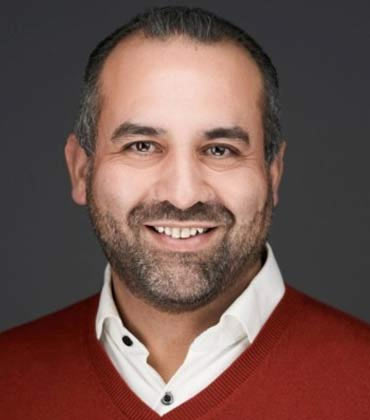
Jose Quirarte
José Quirarte is a senior HR leader with extensive experience in talent strategy, workforce planning, and employee experience. He has worked across global organizations and complex business environments, helping align people strategies with business goals. At Van Drunen Farms, he focuses on building practical, data-driven talent approaches that support growth, strengthen leadership and improve how employees experience work every day
Understanding Talent Up from the Ground
My approach to leadership is shaped by hands-on experiences across mergers, workforce planning and building new business units. I focus on aligning talent with business strategy while adapting to individual employee needs. Four defining experiences have shaped my approach to talent strategy and employee experience.
The first came during a global merger, where aligning roles, structures and people across geographies revealed how deeply talent decisions are tied to business transformation. It was an early lesson in the real impact of strategy on workforce design.
The second was exposure to a highly structured workforce planning model, which introduced a more analytical lens. Understanding external forces like market trends, talent availability and global dynamics helped connect business priorities with talent outcomes in a more deliberate way.
The third experience involved building a new business unit from the ground up. Operating with a startup mindset within a larger organization required rethinking hiring, engagement and culture to match speed, agility and evolving demands.
Finally, working with a company that created employee personas to test how each experienced the workplace brought a sharper focus on individual needs. It helped in tailoring experiences within a unified culture, while reinforcing the importance of balancing personalization with organizational identity.
Leadership Cannot Be the Same for Everyone
The situation at the workplace is complicated now more than ever. This is the first time in history that five generations will be working together. Each of the generations has different expectations, styles of work and ways of solving problems.
Leaders should listen more to employees and adapt their style to individual needs. It means leaders should not use the same approach for everyone, but instead understand their teams—what motivates them, the challenges they face and how they prefer to work.
This reorientation leads to seriously powerful results. When workers feel that they are really known, they become more motivated, they do their jobs better and want to stay with the company for a long time.
Linking Talent Strategy to Business Goals
Only when a talent strategy is very closely intertwined with business priorities does it make any sense.
First priority is to understand the business and the impact on its bottom line if the goals are not achieved or exceeded. Once the business priorities are identified, the external environment needs to be analyzed and assessed. Factors like market trends, socio-political conditions, workforce availability and changes in technology do have an impact. These findings can be used to identify new problems that might arise in the future, e.g., skill gaps, talent shortage or high in-demand roles that are difficult to fill.
There is no one way to manage talent anymore. You have to listen to employees first and adapt.
Finally, a detailed talent roadmap can be put together to close these gaps, plan ahead and get the workforce ready for the future.
Trends Shaping Employee Experience
There are a few major trends that are changing how organizations think about employee experience.
Artificial intelligence: There are mixed views around AI, but the reality is that it is already changing how work gets done. The focus should not be on replacing people, but on improving how work happens. At the same time, there is a strong need for clear guidelines and human oversight.
Flexibility: Employees want options— remote, hybrid or in-office. But there is no single answer that works for everyone. The role of HR is to balance what employees want with what the business needs and find a middle ground.
Leadership quality: Studies have repeatedly demonstrated that employees often leave managers, not companies. This makes it important to invest in leadership development. Strong leaders create better teams, a stronger culture and higher engagement.
Sense of belonging: People want to feel valued and connected. Work is a big part of life, and employees should be in an environment where they feel seen and respected.
Advice for Future HR Leaders
For those looking to build a career in HR and talent strategy, my advice is clear and practical.
Use data. Data helps in making better decisions. It shows patterns, highlights gaps and supports planning. It is not just about looking at numbers but about asking deeper questions and understanding what the data is really saying.
Stay curious. Always look beyond the surface. Whether it is talent gaps or employee trends, deeper thinking on the data leads to better solutions.
Embrace AI and technology. These tools can reduce routine work and improve efficiency. Learning how to use them well will be important for future success.
The Path Forward in Talent Management
The future of work is continuously evolving. Technological advancements, the changing nature of work and evolving employee preferences will keep influencing the ways companies function and manage talent.
There is no one right way of handling talents. Through hearing people, adapting when necessary and keeping the line open to business demands, companies can build and nurture strong teams with effective talent strategies.
The articles from these contributors are based on their personal expertise and viewpoints, and do not necessarily reflect the opinions of their employers or affiliated organizations.
