Thank you for Subscribing to Agri Business Review Weekly Brief


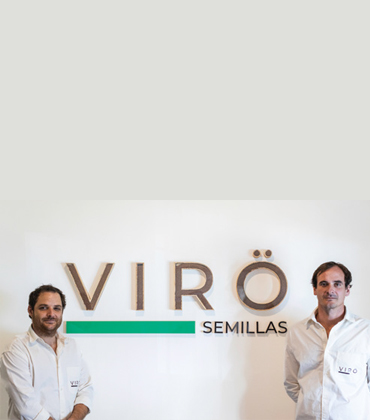 Fernando Rocha, Director and Miguel Viana, Director
Why Is Viro Semillas Recognized Among Top Forage Seed Development Services Providers?
Reliable forage production depends heavily on seed adaptability, pasture consistency and long-term field performance. Viro Semillas focuses on forage genetics and agricultural seed-development programs designed for livestock productivity across varying environmental conditions. Its work in Forage Seed Development Services includes forage variety development, seed-quality evaluation and crop adaptation strategies intended to support sustainable pasture systems. That combination of research-driven development and practical agricultural application explains why the company is recognized among Top Forage Seed Development Services Providers.
How Do Forage Seed Development Services Support Better Pasture Performance?
Pasture productivity often starts with seed quality and regional adaptability. Forage Seed Development Services help improve forage establishment, biomass consistency and nutritional value under different growing conditions. Viro Semillas develops forage seed varieties intended to support stronger grazing systems and dependable field performance across livestock-oriented agricultural operations. In Forage Seed Development Services, seed selection directly affects pasture durability and seasonal forage availability.
What Factors Matter Most When Evaluating Forage Seed Development Services?
Seed stability, climate adaptability and germination reliability usually matter more than broad promotional claims. Effective Forage Seed Development Services require seed programs that perform consistently under regional environmental pressure and changing agricultural conditions. Viro Semillas supports its forage development work through agricultural research and field-focused seed evaluation processes designed to improve crop adaptability and pasture reliability. Organizations evaluating Forage Seed Development Services often prioritize long-term forage consistency over short-term production gains alone.
Why Are Seed Genetics Important in Modern Forage Development?
Genetics influence forage yield, disease tolerance and crop persistence throughout repeated growing cycles. Many agricultural organizations investing in Forage Seed Development Services now focus heavily on genetic improvement programs that strengthen pasture resilience under variable environmental conditions. Viro Semillas works on forage seed development strategies intended to support healthier grazing performance and improved crop establishment. Within Forage Seed Development Services, genetic selection remains important because livestock productivity depends heavily on stable forage availability.
How Does Agricultural Research Influence Forage Seed Development Services?
Research programs help determine how forage varieties respond to soil composition, climate variability and grazing pressure before large-scale agricultural deployment. Forage Seed Development Services increasingly rely on field testing and crop evaluation to improve pasture consistency and long-term agricultural performance. Viro Semillas integrates agricultural research into its seed-development activities to support forage adaptability and sustainable livestock farming systems. That research-oriented process helps agricultural organizations make more informed forage-management decisions.
How Do Forage Seed Development Services Help Address Long-Term Agricultural Challenges?
Changing climate conditions, declining pasture quality and inconsistent forage availability continue to pressure livestock production systems in many agricultural regions. Forage Seed Development Services help address these issues through improved seed genetics, stronger crop adaptability and more resilient pasture-development strategies. Viro Semillas develops forage seed programs intended to support sustainable agricultural productivity under practical farming conditions. In many livestock operations, dependable forage performance now plays a larger role in production planning and long-term cost management.
Management
Fernando Rocha, Director and Miguel Viana, Director
Description
Viro Semillas develops and produces high genetic value forage seeds in Uruguay and beyond, combining global genetic sourcing with rigorous field validation to support productive and resilient pasture systems.
