
Thank you for Subscribing to Agri Business Review Weekly Brief
Agri Business Review: Specials Magazine
![Bioceres Crop Solutions [NASDAQ: BIOX]: Building Predictability into Modern Agriculture](https://www.agribusinessreviewapac.com/uploaded_images/8-44qb.jpg "Bioceres Crop Solutions [NASDAQ: BIOX]: Building Predictability into Modern Agriculture")
Agriculture in Latin America no longer runs on historical averages. Farmers across the region are making decisions in a world where rainfall patterns shift unexpectedly, drought cycles intensify and growing seasons become increasingly difficult to predict. Under such conditions, farmers' livelihoods rely not on achieving the best possible yields in optimal conditions, but on continuing to achieve the best possible yields in sub-optimal conditions. That shift is redefining the role of agricultural technology. Growers are looking beyond individual products and evaluating how effectively entire systems help them manage risk, protect productivity, and preserve soil health over time. Climate resilience has become an operational requirement rather than a sustainability aspiration. Bioceres Crop Solutions recognized this transition early. Established in Argentina and molded by a long history of farming in what’s become the world's most weather-vulnerable agriculture region, Bioceres has structured its business model around a single premise. How can farmers produce more reliably in increasingly unpredictable conditions? Its answer is an integrated platform that combines seed genetics, biological inputs, crop nutrition technologies and digital agronomy tools into a cohesive approach designed for long-term resilience. From Seed Trait to Farming System Bioceres Crop Solutions develops and commercializes agricultural technologies that help growers improve productivity while adapting to environmental stress. Rather than focusing on a single input, the company brings together complementary technologies that work across the farming cycle.
![Bioceres Crop Solutions [NASDAQ: BIOX]: Building Predictability into Modern Agriculture](https://www.agribusinessreviewapac.com/newstransfer/upload/13-2akwy-.jpg "Bioceres Crop Solutions [NASDAQ: BIOX]: Building Predictability into Modern Agriculture")
Top Agricultural Crop Protection And Agrochemical Distributor in Latin America - 2026
What factors influence the effectiveness of crop protection and plant health solutions today? Crop protection and plant health solutions often fall short when they are removed from field realities. AMVAC Latam anchors its approach at the farm gate, where crop challenges are defined by actual growing conditions. Working closely with growers, it develops crop protection and plant health solutions based on these on-ground requirements. This direct engagement also shapes how these solutions are applied in the field, combining technical expertise with field insight to drive consistent results. Backed by a top-tier supplier network and its own portfolio, AMVAC Latam builds its commercial approach around validation. Each proposal is developed as a tested solution designed to deliver measurable impact for the grower. Its Life RID research and development capabilities, along with a team of experts and farmer advisors working directly in the field, ensure that recommendations remain grounded in practical conditions. Today, the company supports a network of more than 1,433 clients. “We don’t just sell products; we deliver integrated solutions that guarantee profitability,” says Max Martinez, commercial director. Strengthening Distributor Performance How does AMVAC Latam support distributors across agricultural commercial and operational activities? The philosophy also shapes AMVAC Latam’s relationship with its distribution partners. They are treated as partners in delivering proven solutions, with the company aligning closely on commercial strategies. It supports them through technical training, product education and ongoing guidance, making sure that distributors are equipped to serve growers while remaining competitive in their markets. Coordination across logistics, supply chain and financial planning further strengthens this alignment across the agricultu.
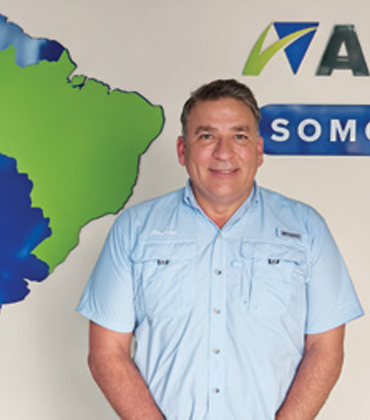
Crop Protection Product Marketing Company
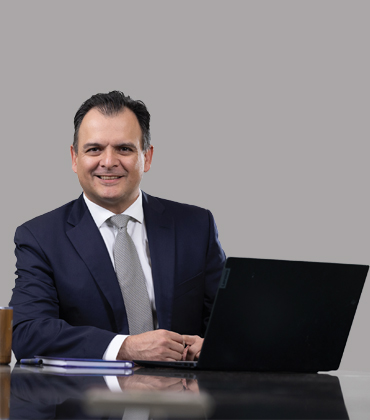
"Sugarcane is the oil of the tropics, and we’re proving it can fuel not just Guatemala but also the future of food, energy, and biotechnology,” says Jorge R. Leal, CEO of Magdalena. That belief has carried Magdalena from a family mill to a global sustainable innovator. Leadership passed from founder Luis Fernando Leal to his wife, Yolanda, who brought a community-first philosophy, to Jorge R. Leal today, who carries that ethos into international expansion and innovation. Magdalena supplies roughly 24 percent of Guatemala’s sugar output and contributes about 10–12 percent of the nation’s energy needs through biomass power. It also produces high-grade sugar and ethanol for domestic and export markets. The business now spans agri-energy and early-stage biotechnology, with initiatives in synthetic biology and biomolecules. Operations emphasize circular practices, renewable power, and sustainable agriculture. Turning Sugarcane into Energy, Ethanol and Opportunity Magdalena sees itself as a company that converts solar energy into sugar, ethanol, and renewable energy for Guatemala and exports worldwide. Bagasse produces steam that drives turbines for electricity, and sucrose becomes refined sugar or high-purity alcohol for beverage and pharmaceutical uses. As a price-taker in sugar and electricity, the company relies on cost and yield discipline, precise material accounting and circular byproduct reuse to cut waste and imported-fuel dependence. Its high-specification sugar qualifies for international bottlers, while its alcohol meets demanding standards in the beverage industry. The electricity business is primarily local, with periodic exports to El Salvador. Magdalena supplies the grid at competitive cost under Guatemala’s regulated merit-order market, where the lowest-cost units dispatch first and all dispatched units receive the marginal price. Biomass cogeneration provides electricity that is not dependent on weather or imported fuels. High-Quality Sugar Output Supporting Global Brands The Magdalena Sugar Mill has the capacity to process 40,000 metric tons of sugarcane per day. Harvesting is concentrated in Guatemala’s dry season, yielding several million tons annually. Sugar production is the primary focus, yet nothing goes to waste. Non-crystallized sugars are processed into alcohol, with a facility capable of producing up to 420,000 liters per day from molasses. The company also operates a refinery, producing refined white sugar and other grades such as brown and raw sugar. With a capacity of 3,200 tons of refined sugar daily, it ranks among the larger mill-integrated refineries in the Americas.
Sugarcane Producer
Generic solutions are no longer adequate to support farming practices in the modern agricultural landscape. Maintaining soil health and controlling pests demands innovative, tailored approaches that support long-term success. Summit Agro, a global agricultural company, with strong presence in Latam addresses this need by placing customers at the core of its strategy to advance sustainable innovations. It offers a comprehensive portfolio of high-performance, non-generic crop protection products and biological solutions designed to meet the evolving challenges of modern agriculture. A strong field presence combined with personalized support and a dedicated customer-facing team strengthens its ability to build long-lasting partnerships. Advanced technologies, locally tailored programs and a mutual commitment to long-term agricultural success reinforce this trust. “We believe loyalty is built on a comprehensive value proposition that combines technology, quality and results,” says Luis Eduardo Silva, president of Summit Agro Argentina. Guided by its Be Green philosophy, Summit Agro’s environmentally responsible solutions boost productivity while ensuring a low environmental impact. With deep roots in Japanese technology and an innovative approach to agriculture, it helps farmers protect their crops, preserve soil, reduce input costs and meet sustainability goals. Its product offerings comprise a range of herbicides, insecticides and fungicides, all designed for targeted crop protection. Products like ROMEO, co-developed with Agrauxine, and Taisei, developed in collaboration with CONICET and the University of Tucumán in Argentina, demonstrate its ability to leverage both innovation and scientific partnership. The company’s emphasis on sustainability and innovation is best exemplified through its SEIPRO product line. This umbrella brand encompasses biological products focused on both pre-and post-harvest needs, including bio stimulants, biopesticides, biofertilizers and elicitors. Each product undergoes extensive field trials, adapted to local conditions and assessed against the highest standards of safety, quality and traceability. Its regulatory affairs teams work closely with authorities worldwide to ensure every solution meets legal and environmental requirements. Significant investments in R&D programs, in collaboration with various institutions, have resulted in the co-development of new molecules, biologicals and application technologies.

CXO INSIGHTS

The Role of Bio-specialties in Sustainable Agriculture
Armando Russi, Head of Sustainability, Comms & Public Affairs, Grupo AJE

Beyond 'Just' Carbon
Laura Kowalski, Head of Global Sustainability and Marketing, Primient

Driving Financial Excellence in Agribusiness Growth
Maximiliano Proano, Senior Director of Finance, Pronaca

Building a Better Food System
Christina O'Keefe, Regional Head of Sustainability, Kerry
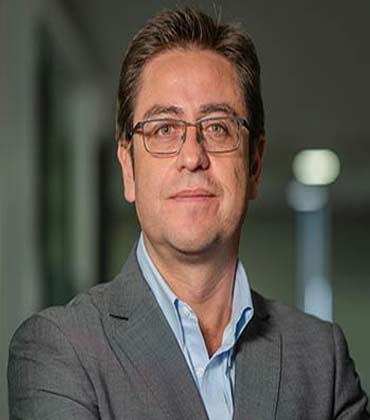
Keys to Building a Resilient, Sustainable Agribusiness
Pablo Sanhueza Castro, Corporate Manager Of Quality, Safety, Innovation And Operational Excellence, Empresas Iansa

Build the Culture Before You Scale the System
Bryan Moscato, Sr. Director of Manufacturing – Desserts, Rich Products
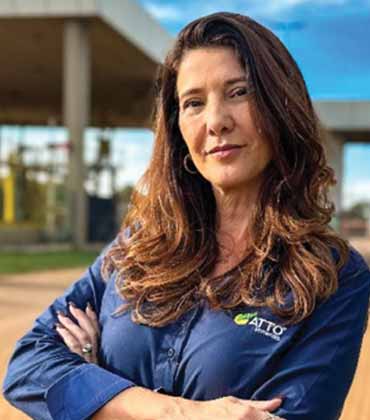
The Future of Agricultural Marketing
Mariangela Duarte Soares Albuquerque, Marketing Director, ATTO Sementes


IN FOCUS

Agrochemical Services: Crop Protection Distribution across Latin America
Agrochemical distributors in Latin America ensure efficient input supply, provide agronomic support, optimize logistics, and enhance productivity across diverse agricultural environments.
Advancements in Cattle Breeding Solutions in Latin America
Cattle breeding advancements in Latin America include genetic improvement, reproductive technologies, digital herd management, sustainability strategies, and precision livestock development.
EDITORIAL
Strengthening Agricultural Resilience Across LATAM
Agriculture across Latin America is facing a period of change driven by climate pressures, supply chain disruptions and the growing need for more resilient production systems. As producers adapt to changing conditions, advances in seeds, crop protection and distribution are taking on greater importance. In this edition of Agri Business Review, we spotlight organizations helping create more adaptable and data-informed agricultural ecosystems.
Our cover story recognizes Bioceres Crop Solutions as the Top Climate-Resilient Seed Solution in LATAM 2026. As weather patterns become harder to predict, farmers across various regions are looking for crops that can cope with changing conditions. Through biological innovation and stress-tolerant seed technologies, it is helping growers protect yields and manage uncertainty.
Reliable access to crop protection products remains equally important. AMVAC Latam is recognized as the Top Agricultural Crop Protection and Agrochemical Distributor in Latin America 2026. It ensures that products reach growers when they are needed most and supports healthy yields while keeping agricultural operations running smoothly across complex supply chains.
Leadership perspectives featured in this edition bring additional depth to the discussion. Sean Arians, Vice President - Sustainable Production & Value Chain Engagement at the National Corn Growers Association, explains why sustainability efforts are most effective when they naturally fit into farming systems and are supported throughout the value chain. Meanwhile, Caleb Eggemeyer, Farm Manager at Braum's, offers insights from everyday farm operations and reflects on the ongoing challenge of balancing productivity with responsible resource management.
Together, the companies and leaders featured in this edition reflect how resilience, innovation and disciplined execution are influencing the future of agriculture across Latin America. We invite readers to explore the ideas and perspectives shared throughout this issue.
