Thank you for Subscribing to Agri Business Review Weekly Brief
Agri Business Review: Specials Magazine
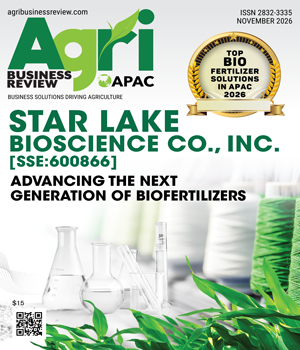
Agricultural productivity depends on more than the nutrients applied to a field. Farmers must manage soil conditions, nutrient availability and crop requirements while adapting to different cultivation practices and growing environments. For biofertilizer providers, the challenge is to translate biological expertise into products that address agricultural needs and can be integrated into existing farming practices. Star Lake Bioscience Co., Inc. brings experience in bio-fermentation and chemical synthesis to a diversified manufacturing business that includes plant nutrition. Its portfolio spans bacterial fertilizers, organic fertilizers, soil conditioners, water-soluble fertilizers and ecological aquatic fertilizers, offering agricultural buyers several categories of products to evaluate for their specific applications. From Biology to Application Star Lake's plant-nutrition portfolio includes five categories designed for different agricultural needs. Bacterial fertilizers, organic fertilizers, soil conditioners and water-soluble fertilizers support various crop-nutrition and soil-management practices, while ecological aquatic fertilizers serve a separate purpose depending on their intended application.
Aquaculture
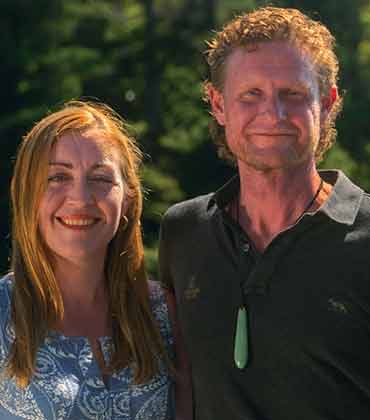
Mussel farming leaves a great deal to the sea. Weather, food availability, water conditions, biofouling and seasonal shifts can all influence how mussels develop. Managing those variables can determine how efficiently a crop moves from juvenile mussel spat to a marketable harvest. Waimana Marine brings more than four decades of hands-on experience in New Zealand’s green-shell mussel industry, helping growers bring mussels through to harvest with strong retention and survival and in the right condition. Based in Elaine Bay, it devotes around 90 percent of its activity to contract work, supporting customers ranging from growers with a single mussel line to large companies operating multiple farms. Its teams can take on individual requirements or oversee the full production cycle, from sourcing and growing spat through seeding, reseeding, farm management and harvesting. Waimana Marine also operates its own mussel farms, having recently reached an annual production target of 1,000 tonnes and is now working toward doubling that output. “Being an owner-operator changes the mentality of the business. There’s a different approach to everything, with a higher level of care, responsibility and accountability,” says Simon Pooley, director. Experience Shaped by the Industry When Pooley’s parents entered the marine farming sector in the Marlborough Sounds in 1982, it was still a close-knit industry, with several families building businesses around the emerging practice of mussel farming. Rope culture was beginning to replace beach picking as growers explored more efficient ways to cultivate mussels. Waimana Marine has remained family-owned through that evolution. Pooley grew up around the family operation, spending time on the boat with his father. He left school to join the crew full-time, eventually progressing to skipper before taking over Waimana Marine’s mussel-farming activities..
Livestock Genomics Solutions

Genomics is transforming agriculture, and Neogen—a global leader in food security and agricultural innovation—is at the forefront of this evolution with five DNA laboratories located strategically around the world. While its operations span multiple regions, the firm remains committed to delivering localized solutions that maximize value for customers in the APAC region. In line with this commitment, Neogen provides livestock producers in Australia and New Zealand with advanced DNA testing solutions tailored to enhance breeding decisions, improve herd efficiency and drive genetic progress. Farmers gain valuable insights into meat quality, fertility, disease resistance, and parentage verification through bovine and ovine genomic testing, helping them optimize herd management and productivity. This commitment to tailored innovation is what sets Neogen apart. Rather than taking a one-size-fits-all approach, the company collaborates closely with industry groups, breeders and food producers to develop genomic tools designed to address region-specific challenges. With a state-of-the-art laboratory facility in Bundamba, Neogen can process up to one million genomic tests annually, utilizing cutting-edge robotic processing and advanced genomic selection technologies. By providing data-driven, science-backed insights, Neogen enables livestock producers to improve profitability, strengthen herd genetics and ensure sustainable, high-performing agricultural systems. As the demand for precision breeding and enhanced food security grows, it helps producers achieve long-term success in an evolving agricultural landscape. Unlocking Genetic Potential with Early Insights Traditional livestock breeding relied heavily on visual assessments and pedigree records, leading to uncertainties in genetic selection. With the advent of genomic testing, farmers can make more accurate predictions of an animal’s future performance. “Genomics is enabling us to make more accurate selection decisions and identify animals with superior genetics at an earlier age than ever before,” says Andrew Byrne, Senior Technical Product Specialist at Neogen. “This technology boosts growth, carcass quality and sustainability traits like lower methane emissions and stronger immunity.”
Microbial Agricultural Biotechnology Company
Rolling Greens is transforming agriculture with innovative solutions that make farming both sustainable and profitable. By harnessing advanced microbial science, it helps farmers increase crop yields by as much as 30 percent while enhancing overall crop quality. Its proprietary microbial consortia restore soil health and strengthen plant resilience, reducing the dependence on chemical inputs and lowering greenhouse gas emissions. Unlike many biological inputs that remain unproven or inconsistent, Rolling Greens’ solutions are engineered for reliability and scale. They are compatible with a wide range of crops, including rice, banana, oil palm and vegetables, and integrate seamlessly with precision agriculture systems for efficient, targeted application. “Our mission is to transform agriculture with naturally intelligent solutions that deliver measurable results and lasting value,” says Brian Chen, CEO. At the core of this approach is a commitment to pairing global expertise with deep, local knowledge. Rolling Greens brings together experts in microbial biotechnology, agronomy, soil science and precision agriculture. This expertise is complemented by its partnerships with farmers, distributors, NGOs and universities in every market it serves. The result is a portfolio of biologicals that are validated through rigorous trials and adapted to local conditions in ways generic products often miss. From large-acre row crops to high-value specialty produce, farmers are equipped with the tools and know-how to achieve agronomic and economic success. Soil-Driven Innovation, Farm-Ready Solutions For decades, farming practices worldwide have relied heavily on chemical fertilizers and traditional inputs to increase yields. While effective in the short term, this model has created compounded challenges. Soil health has eroded, nutrient efficiency has declined and rising input costs continue to strain farmers. Rolling Greens addresses these challenges head on. Every engagement starts with a deep dive into the grower’s specific environment. This includes assessing a farm’s crop type, fertility practices, field history, climate patterns and soil variability. It directly engages with farmers to understand their specifics and identify gaps in nutrient programs. Recommendations are grounded in the farmer’s context rather than generalized assumptions.

Fertilizers and Nutrition

Organic Fertilizer and Precision Farming
Kantapat Jaruprompong, Manager, Farm System and Poultry Welfare, Tyson Foods
Livestock and Dairy
Driving Growth Through Innovative Strategies
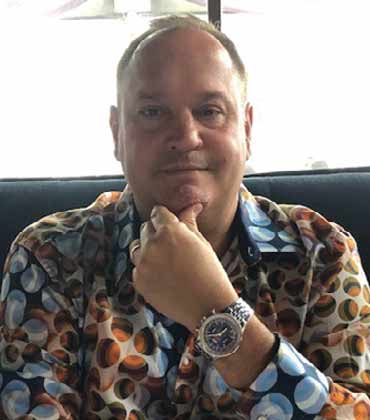
Tom Marzella, Commercial Director - Oceania, Glanbia Nutritionals
Agriculture Sustainability

Building a Leadership Journey through Agriculture
Trelawney Bullis, Manager, Water, GIS and Sustainability, AC Foods

IN MY OPINION
Agri Biotech
The Agri Marketing Awakening: How Digital Marketing is Bridging the Brand - Farmer Gap
Anastasia Purwanto, Head of Creative and Digital Marketing, Maxxi Tani
LAST WORD
Agriculture Equipment
Why Increased Soil Carbon Is Helping To Unlock Benefits For Aussie Farmers And The Environment
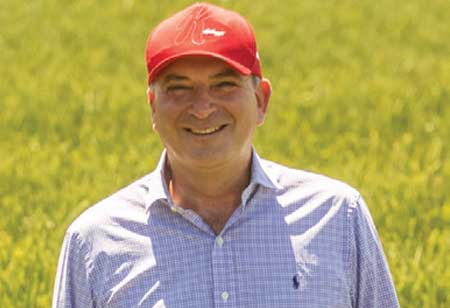
Chris Stevens, Director, Global Agribusiness, Kellogg Company [NYSE: K]
IN FOCUS

Agricultural Marketing and Communications Services Expanding Agribusiness Reach across APAC
Agricultural marketing and communications services help APAC agribusinesses strengthen brand visibility, engage customers, promote products and identify new market opportunities.
Agricultural Coatings: A Smart Investment for Farmers
Agricultural coatings enhance crop yield, improve overall crop quality, and support sustainable farming.
EDITORIAL
Advancing Agriculture through Science and Sustainability
Agriculture is being reshaped by the need to improve productivity, manage natural resources responsibly and help farmers adapt to changing conditions. This edition of Agri Business Review APAC focuses beyond new products or technologies. It brings to light practical solutions, stronger supply chains and partnerships that connect scientific capabilities with the realities of farming.
The cover story showcases Star Lake Bioscience Co., Inc., which is recognized as the Top Bio Fertilizer Solutions in APAC 2026. Utilizing bio-fermentation, chemicals and its research facilities, the company provides a wide range of products, including bacterial and organic fertilizers, soil conditioners, among others.
The edition also highlights Waimana Marine, which has been awarded Top Shellfish Cultivation and Harvesting Services in APAC 2026. With almost 40 years of family-run experience in the green shell mussel industry in New Zealand, Waimana Marine has combined its cultivation, farm management and harvesting skills with a growing operational base. The expansion of its operations to Golden Bay and its development of open-water aquaculture skills are proof of this.
Beyond production, the perspectives of industry leaders reveal how agriculture’s future also depends on communication and collaboration. Anastasia Purwanto, Head of Creative and Digital Marketing at Maxxi Tani, explores how localized digital content, farmer communities and peer testimonials can strengthen trust between agricultural brands and farmers. Chris Stevens, Director, Global Agribusiness at Kellogg Company, examines how initiatives such as the Cool Soil Initiative connect farmers and food businesses around soil health, carbon management and more resilient supply chains.
Together, these stories underscore the value of aligning scientific innovation, operational expertise and collaborative approaches with the needs of agricultural communities.
Explore the edition further to discover how businesses and industry leaders are advancing agricultural productivity, strengthening farming systems and shaping a more resilient future for agriculture across the region.
