Crop Protection LATAM

AMVAC Latam: Enhancing Crop Outcomes Through Integrated Field Solutions
AMVAC Latam
AMVAC Latam: Enhancing Crop Outcomes Through Integrated Field Solutions
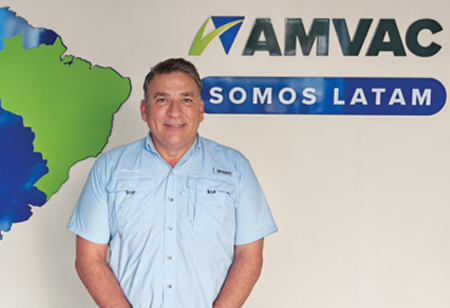
Max Martinez, Commercial Director
What factors influence the effectiveness of crop protection and plant health solutions today?

Crop protection and plant health solutions often fall short when they are removed from field realities. AMVAC Latam anchors its approach at the farm gate, where crop challenges are defined by actual growing conditions. Working closely with growers, it develops crop protection and plant health solutions based on these on-ground requirements. This direct engagement also shapes how these solutions are applied in the field, combining technical expertise with field insight to drive consistent results.

Backed by a top-tier supplier network and its own portfolio, AMVAC Latam builds its commercial approach around validation. Each proposal is developed as a tested solution designed to deliver measurable impact for the grower. Its Life RID research and development capabilities, along with a team of experts and farmer advisors working directly in the field, ensure that recommendations remain grounded in practical conditions. Today, the company supports a network of more than 1,433 clients.

“We don’t just sell products; we deliver integrated solutions that guarantee profitability,” says Max Martinez, commercial director.

Strengthening Distributor Performance

How does AMVAC Latam support distributors across agricultural commercial and operational activities?

The philosophy also shapes AMVAC Latam’s relationship with its distribution partners. They are treated as partners in delivering proven solutions, with the company aligning closely on commercial strategies. It supports them through technical training, product education and ongoing guidance, making sure that distributors are equipped to serve growers while remaining competitive in their markets. Coordination across logistics, supply chain and financial planning further strengthens this alignment across the agricultural value chain. Because each solution is validated and supported with continuous technical involvement, the engagement creates a consistent and viable business outcome for both distributors and growers, enabling long-term relationships.
Copeval [COPEVAL:SN]: Engineering Precision in Crop Protection Execution
Copeval [COPEVAL:SN]
Copeval [COPEVAL:SN]: Engineering Precision in Crop Protection Execution
Copeval, Teams
Agricultural production across Latin America is being reshaped by the growing importance of execution at the field level. Outcomes are no longer determined solely by input selection. They depend on how precisely and contextually those inputs are applied. Variability in climate, soil conditions and pest pressure has increased the need for better timing and coordination in the field. As a result, growers are focusing on translating agronomic insight into timely action, improving yield consistency and operational reliability across diverse production environments today.

This shift is redefining how support systems around the farm are structured. Copeval, a Chile-based agricultural solutions provider offering crop protection inputs, seeds, fertilizers and agronomic services, operates through a model that connects supply with advisory led execution. The focus is on enabling growers to move from decision to application in a way that reflects local conditions while maintaining consistency across production cycles and improving field-level responsiveness under varying environmental pressures.

Integrated Supply and Advisory Execution

The model is built on integrating input access and agronomic guidance rather than treating them as separate functions. Crop protection products, seeds and fertilizers are made available in coordination with advisory support, allowing growers to align decisions with crop cycles and environmental variables from the outset. Agronomic teams work directly with producers to assess soil conditions, pest pressures and crop requirements, converting field observations into recommendations that reflect local realities and support more accurate application strategies across different stages of crop development.

Once decisions are defined, execution becomes the determining factor in performance. Crop protection outcomes depend on timing and method of intervention, so engagement is structured across planting, growth and harvest stages. Each phase is supported through clearly defined agronomic actions that ensure recommendations translate into effective field application. Continuity across these stages is reinforced through reliable input availability, reducing delays that can disrupt crop performance and maintaining alignment between advisory guidance and supply across regions.

Operational consistency is sustained through defined processes that guide product handling, delivery and recommendation practices across locations. These structures reduce variability in execution while still allowing flexibility to respond to local conditions. Coordination between logistics and advisory teams ensures that supply decisions reflect field demand rather than standard inventory cycles, strengthening responsiveness and improving efficiency across the production chain while maintaining reliability in how services are delivered to growers.
Plenan: Liquid Nutrition That Boosts Yield
Plenan
Plenan: Liquid Nutrition That Boosts Yield
Henrique Barbosa, Commercial Director
Agriculture has never been more advanced, with drip systems that self-correct, machines that steer themselves and seeds engineered for resilience. Yet plant nutrition remains a weak link in an otherwise high-tech farm.

Plenan closes this gap with high-purity liquid fertilisers designed for precise, trouble-free integration into today’s fertigation and automated injection systems. Field use indicates that low-salt index formulations with readily available nutrients support smoother system operation and more consistent nutrient delivery, helping growers boost productivity across fruits, vegetables, and flowers with greater precision.

“Customers stay with us because they see the results in the field and feel the difference in practice, and it is this consistency that sustains trust and brand loyalty,” says Henrique Barbosa, commercial director.

The Formula Designed for Modern Irrigation

The company’s distinction comes from its formulation science. Most liquid fertilisers on the market are simple dilutions of raw materials, often limited to a single nutrient, such as potassium, phosphorus or nitrogen. In field operations, this approach requires manual mixing, increases the risk of compatibility issues and interrupts fertigation when precipitation or clogging occurs. This slows down the process and creates more variability than control.
Agrobionsa: Nature-Powered Crop Protection for Higher-Yielding Farms
Agrobionsa
Agrobionsa: Nature-Powered Crop Protection for Higher-Yielding Farms
Eduardo Torres Sánchez, General Director
Agrobionsa helps farmers cultivate stronger, healthier and more productive crops through its biological crop protection solutions. It develops advanced bioinsecticides, biofungicides and bionematicides from beneficial microorganisms that target pests, diseases and nematodes. Each formulation leads to higher yields and a more sustainable way to secure the future of farms.

Farmers trust Agrobionsa as its products deliver visible, lasting results. The microbial strains are carefully selected for their highly virulent nature, and the production process ensures they remain vigorous and effective. Each formula is packed with a high concentration of active ingredient to make a tangible difference in the field. Setting them apart is their ability to prevent resistance in pests and pathogens, helping keep control programs effective season after season. Free from substances harmful to people, animals or the environment, these solutions promote safer farming while working in harmony with pollinators to support sustainable agriculture.

“Our products are technically and commercially competitive against any other product on the global market, whether chemical or biological,” says Eduardo Torres Sánchez, general director.

The defining force behind its success is its people. Its technicians walk alongside growers to help them protect their crops naturally, creating healthier harvests and stronger profits. Correspondingly, the skilled laboratory staff adheres to strict quality standards to ensure high-performance products.

Agrochemical Services: Crop Protection Distribution across Latin America

Agricultural crop protection and agrochemical distributors in Latin America function as critical intermediaries between manufacturers and the region’s diverse farming communities, ensuring that essential inputs reach fields where they directly influence productivity and crop health. Their role extends beyond logistics, encompassing technical guidance, inventory planning, and localized knowledge of crop cycles, pest pressures, and climatic conditions. Given the scale and diversity of agriculture across the region, distribution networks must adapt to varying crop types, farm sizes, and geographic challenges, from large-scale commercial operations to smaller, fragmented holdings.

Evolving Distribution Dynamics across Regional Agriculture

Agricultural crop protection and agrochemical distribution in Latin America are increasingly shaped by a shift toward more responsive and integrated supply chain models. Distributors are moving beyond transactional roles to become active participants in crop planning and farm management processes. Farmers often rely on distributors not only for access to crop protection inputs but also for guidance on application timing, dosage, and compatibility with local conditions. As a result, distribution has become closely aligned with advisory functions, strengthening the connection between supply and field-level decision making.

Another notable trend involves the diversification of product portfolios. Distributors are expanding beyond conventional agrochemicals to include biological solutions, specialty inputs, and integrated crop management products. This diversification supports a more balanced approach to crop protection, where chemical and non-chemical solutions are used in combination to address pest and disease challenges. By offering a broader range of products, distributors enable farmers to tailor their strategies according to crop type, environmental conditions, and market requirements.

Digital integration is gradually influencing how distribution networks operate. Inventory management systems, demand forecasting tools, and mobile communication platforms are improving coordination between warehouses, sales teams, and farmers. These tools allow distributors to anticipate seasonal demand more accurately and adjust supply accordingly, reducing the likelihood of shortages or overstocking. At the same time, digital platforms facilitate more efficient communication with farmers, enabling timely updates on product availability and usage recommendations.

Logistics optimization is also becoming more prominent within the sector. The geographic spread of agricultural regions in Latin America presents challenges related to transportation and storage. Distributors are refining their logistics strategies to ensure that products are delivered efficiently across varying terrains and infrastructure conditions. Improved route planning, regional distribution centers, and coordinated delivery schedules contribute to more reliable supply chains, supporting consistent access to essential inputs.

Operational Pressures and Practical Solutions in Distribution

Agricultural crop protection and agrochemical distributors in Latin America face a range of operational challenges that require adaptable and well-structured responses. One recurring complexity involves navigating regulatory frameworks that govern the distribution and use of agrochemical products. Variations in national regulations can affect product registration, labeling, and transportation requirements. Distributors address this by maintaining dedicated compliance processes that ensure all products meet local standards, allowing for uninterrupted distribution while aligning with regulatory expectations.

Supply chain variability presents another important challenge, particularly in managing fluctuations in demand linked to weather patterns and crop cycles. Sudden shifts in planting schedules or pest outbreaks can create unexpected demand spikes. Distributors respond by implementing flexible inventory strategies that combine forecasting with buffer stock management.

Access to remote or underserved agricultural areas also requires careful planning. Transportation limitations and infrastructure gaps can make it difficult to deliver products consistently across all regions. Distributors address this challenge by establishing decentralized distribution points and collaborating with local networks that facilitate last-mile delivery. These arrangements help extend the reach of distribution systems, ensuring that farmers in less accessible areas receive the inputs they need in a timely manner.

Another challenge involves ensuring the correct and responsible use of agrochemical products at the farm level. Misapplication can affect both crop outcomes and environmental conditions. Distributors respond by integrating technical support into their operations, providing training and guidance that help farmers apply products effectively and safely. Field demonstrations, educational programs, and ongoing advisory services strengthen understanding and promote best practices, enhancing both productivity and sustainability.

Expanding Value through Innovation and Regional Alignment

Agricultural crop protection and agrochemical distributors in Latin America are positioned to expand their role by embracing innovations that enhance both operational efficiency and agronomic impact. One area of advancement involves the integration of precision agriculture tools into distribution strategies. By aligning product recommendations with data on soil conditions, crop health, and pest activity, distributors can support more targeted and efficient use of inputs.

The growing interest in sustainable agricultural practices presents another opportunity for distributors to broaden their influence. By offering products and advisory services that support integrated pest management and environmentally conscious farming, distributors can contribute to long-term agricultural resilience. This alignment with sustainability objectives strengthens relationships with farmers while responding to evolving market expectations related to food production and environmental stewardship.

Collaboration across the agricultural value chain is also creating new pathways for development. Distributors increasingly engage with agronomists, research institutions, and farming cooperatives to share knowledge and develop solutions tailored to regional conditions. These partnerships enhance the relevance of distribution services and support the continuous improvement of crop protection strategies. By participating in a broader network of expertise, distributors contribute to a more cohesive and informed agricultural ecosystem.


Latin America's Agricultural Future: Embracing Fertigation and Liquid Nutrients

The agricultural landscape of Latin America is characterized by diverse geography and favorable climate conditions for a variety of crops. Farmers in the area search for new methods to increase their harvests and protect their natural resources because global food demand continues to grow. The agricultural industry now depends on two significant technological developments, which include fertigation and liquid nutrient solutions for better farming outcomes. The irrigation system implements advanced techniques that provide precise nutrient application alongside conventional fertilization methods because water efficiency is critical in specific locations.

Latin America needs to enhance its agricultural output because Brazil, Argentina, and Mexico make up 83 percent of its total agricultural land. Modern technologies, including precision agriculture solutions like fertigation, are now common among small farms, while large farms continue to dominate the agricultural landscape. The water and nutrient application method that this technique uses helps to improve resource efficiency while minimizing waste and boosting crop productivity and high-quality results, and decreasing groundwater contamination. Fertigation serves as an essential method that allows the agricultural industry to achieve its dual goals of increasing production while maintaining environmental integrity.

The Advantages Of Liquid Nutrient Solutions

Agriculture in Latin America has shifted to liquid nutrient solutions because these solutions deliver flexible and efficient, and user-friendly performance capabilities. Liquid fertilizers deliver rapid and practical application through irrigation systems, whereas traditional granular fertilizers need labor-intensive and time-consuming manual application. The system enables farmers to distribute specific nutrients according to their crop requirements, which helps prevent the problems that arise from excessive or insufficient fertilizer application. This system provides essential precision for optimal plant development because it controls nutrient active ingredients, which vary between different soil types and different regions of nutrient availability.

Liquid fertilizers deliver their primary advantage because they enable specific nutrient adjustments according to the growth phase that a crop has reached. Different nutrient requirements are necessary for crops during their growing period, which includes germination and vegetative growth, and fruiting stages. The development of Liquid fertilizers enables producers to create specialized solutions that deliver the exact nutrient requirements for specific growth periods. This precise system helps to maximize crop development and production while maintaining nutrient balance for plant health.

Liquid fertilizers enter plants through easier absorption than solid fertilizers, which need their natural particles to dissolve before they can reach plants. The quicker absorption process enables plants to absorb nutrients, which results in better crop health and stronger growth patterns. Liquid nutrient solutions have emerged as an environmentally sustainable solution for Latin American agriculture because they replace traditional fertilization practices, which produce runoff and excessive nutrients.

Fertigation Adoption Faces Both Challenges And Opportunities

Fertigation and liquid nutrient solutions offer many benefits to agricultural operations, but their implementation in Latin America faces several obstacles. The main obstacle to implementing fertigation systems happens when organizations need to develop their entire system, which requires financial resources. The high initial costs of irrigation systems and nutrient delivery systems create a financial challenge for small farms, which only large agricultural businesses can handle. Government programs and agricultural financing initiatives will generate market opportunities that allow technological solutions to expand within the sector.

The management of fertigation systems needs advanced technical knowledge, which serves as another obstacle for organizations. Farmers must receive training to monitor nutrient concentrations while they need to control water consumption and solve irrigation system problems. The rising popularity of fertigation will create a demand for specialized training programs and support services that help farmers make the most of their technology. Agricultural service providers have the opportunity to develop educational resources that provide technical support and ongoing assistance for farmers who need help with fertigation implementation.

Countries with unpredictable water resources that experience yearly fluctuations in water supply face limitations on their ability to maintain fertigation systems. Farmers who use irrigation systems in areas with limited water resources need to investigate different methods to manage water, including the collection of rainwater and the reuse of wastewater, to maintain their fertigation systems. Advanced water-preserving technologies will become integrated with fertigation systems because technological advancements will make this process viable.

The Future Of Fertigation In Latin American Agriculture

Fertigation and liquid nutrient solutions will become essential components for Latin American agricultural operations. Farmers in the region face pressure to adopt sustainable farming practices, which help them produce food to meet the rising global demand. Fertigation provides a solution that meets these dual objectives by enabling farmers to conserve water while increasing their crop yields and reducing their environmental footprint.

The nutrient management process will achieve better precision and efficiency through the development of fertigation technology, which will use advanced data analytics and sensor systems. The agricultural industry in Latin America will need to adopt both sustainable farming practices and advanced technologies for its production to increase and its environmental preservation efforts to succeed.

Biological Pest Control in Latin America: Large-Scale Replacement of Chemical Methods in Agriculture

Biological pest control in Latin America has evolved from a niche practice to a core element of modern agriculture. The region will lead the world in the use of natural enemies and microbial agents, covering more than 62 million hectares of farmland. This shift is both an ecological and strategic industrial decision, reducing reliance on synthetic chemical inputs through systematic integration of biological methods.

A sophisticated "bio-first" approach is reducing chemical use by harnessing the region’s natural biodiversity. Agricultural systems are being redesigned to use predators, parasitoids, and microorganisms. This transformation is changing the production of major crops like soybeans, corn, and sugarcane, while also improving the quality of high-value exports such as coffee and fruits.

The Dominance of Microbial and Macrobial Agents in Row Crop Protection

The rapid expansion of microbial biopesticides is driving the current industrial transformation. Derived from selected strains of bacteria, fungi, and viruses, these solutions are now a credible and preferred alternative to chemical pesticides. Adoption has increased significantly during planting seasons, with record use of entomopathogenic fungi such as Beauveria bassiana and Metarhizium anisopliae. These agents target and suppress pests such as whiteflies and soybean loopers, without leaving harmful residues in the soil or on crops.

Microbial biopesticides often match or surpass the effectiveness of synthetic chemicals, especially when pests have developed resistance to conventional active ingredients. Unlike chemical pesticides, which use a single mode of action, biological solutions employ multiple, complementary mechanisms. For instance, Bacillus thuringiensis (Bt) produces proteins that are lethal to specific larval stages. At the same time, other beneficial bacteria colonize the plant root zone, forming a biological barrier against soil-borne pathogens. This multi-layered strategy improves efficacy and lowers the risk of resistance over time.

In addition to microbial solutions, the use of macrobial agents such as parasitoid wasps, predatory mites, and lady beetles is gaining renewed momentum in open-field agriculture. These beneficial organisms are strategically introduced to control pest populations before they reach damaging levels. Augmentative biological control has been especially effective in crops like sugarcane, where parasitoid wasps are widely used to manage sugarcane borer infestations. By maintaining stable populations of these natural predators, growers can increasingly reduce, delay, or eliminate intensive chemical spray programs.

Biochemical solutions, such as pheromones and plant-derived extracts, are increasingly used alongside microbial and macrobial approaches. These tools target specific applications, such as mating disruption and pest repellence, providing precise control with minimal impact on non-target species. Together, microbial, macrobial, and biochemical agents are transforming pest management by offering persistent protection, self-sustaining suppression, and high specificity with low toxicity. This integrated approach marks a significant advance toward more resilient, sustainable, and cost-effective agricultural systems.

Sustaining Soil Health and Export Market Viability

Reducing chemical dependency is delivering significant long-term benefits to Latin American soil—years of intensive chemical use have created "biological deserts" by depleting soil microbiome diversity. The industry now focuses on a restorative model that combines biological pest control with biostimulants to revitalize the soil. This approach helps soil function as a self-regulating ecosystem, naturally suppressing diseases.

Replacing synthetic fungicides with biological alternatives such as Trichoderma not only controls disease but also introduces beneficial fungi that colonize the rhizosphere, promote root growth, and enhance nutrient uptake. This bio-synergy reduces reliance on additional chemical treatments and fertilizers, fostering a cycle of decreasing dependency. As soil health improves, plants become more resilient and require fewer interventions.

This shift is essential for maintaining access to premium international markets. Trade standards, especially in Europe and North America, have become stricter regarding Maximum Residue Limits (MRLs). By adopting biocontrol, Latin American exporters can guarantee "residue-free" produce, providing a strong competitive advantage for the region’s fruit and vegetable sectors. Meeting these requirements without sacrificing yield has established biologicals as a permanent part of the agricultural supply chain.

The Bio-Revolution in On-Farm Production and Regulatory Streamlining

The democratization of biocontrol production defines Latin American agriculture. Across the continent, especially in major agricultural hubs, large farms are increasingly adopting on-farm bio-factories. These facilities enable producers to generate microbial agents on-site, tailored to local climates and specific pest challenges. This approach ensures agents are fresh, highly effective, and immediately available, reducing dependence on traditional chemical distribution networks.

This localized production is enabled by updated regulatory frameworks that prioritize biological solutions. In many Latin American countries, the approval process for new biological agents is now much faster than the lengthy cycle for synthetic chemicals. These streamlined systems demonstrate the government's recognition of biologicals as vital to food security and environmental protection. Faster approvals ensure a steady flow of new biological solutions to address emerging pest threats.

The integration of precision agriculture, including drones and satellite mapping, has optimized the delivery of biological agents. Rather than blanket-spraying entire fields, farmers now use advanced dispensers to apply natural enemies or microbial sprays only where pests are detected. This targeted approach maximizes effectiveness, maintains ecosystem balance, and reserves chemical interventions as a last resort.

The agricultural sector in Latin America demonstrates that reliance on chemical inputs is declining. By applying microbial and macrobial agents, restoring soil health, and adopting decentralized production models, the region offers a model for sustainable, high-yield agriculture. As the "Bio-Revolution" advances, efforts remain focused on aligning technology with nature to maintain the productivity and health of Latin America's fertile lands for future generations.

The Role of Bio-specialties in Sustainable Agriculture
Grupo AJE
The Role of Bio-specialties in Sustainable Agriculture
Armando Russi, Head of Sustainability, Comms & Public Affairs

Armando Russi, Head of Sustainability, Communications & Public Affairs at AJE Group and Executive President of the International Chamber of Climate Business (CINC), is a Chemical Engineer and Master of Environmental Management. Honing expertise in sustainability and ESG management in consumer goods, he specializes in specialty bioeconomy, decarbonization, and productive value chains. 

Impacted by the alarming rate of Scope 3 emissions, decision-makers are churning out the eco-friendly capabilities of sustainable manufacturing and distribution of products in existing working models. These solutions rely on bio-specialists innovating the supply chain through intricate product inputs. Recognizing their decarbonization efforts, Armando Russi discusses the interesting ways businesses can adopt healthier changes for themselves, their customers and of course, the environment. The approach is set to primarily target and reduce the grim effects of forests, land and agriculture (FLAG) emissions, he highlights.

Decarbonization Through the Bioeconomy

Climate change presents an urgent challenge, marked by extreme weather, rapid biodiversity loss, and ecosystem degradation. To combat this crisis effectively, we must transform agricultural practices and global supply chains. Here, the bioeconomy and bio-specialties offer innovative solutions to advance sustainable agriculture and reduce Scope 3 emissions, including FLAG emissions.

Scope 3 emissions encompass all indirect emissions across a company’s value chain, from raw material acquisition to product end-use. This often represents up to 80% or more of a company’s total carbon footprint. Addressing these emissions is vital for achieving decarbonization goals and meeting global climate targets. For instance, FLAG emissions, resulting from deforestation, land-use changes, and agricultural practices account for approximately 22% of global anthropogenic emissions, making them a crucial area for emissions reduction strategies.

The bioeconomy leverages renewable biological resources to develop sustainable products and services, providing an alternative to traditional industrial models reliant on fossil inputs. This approach integrates natural processes and maximizes the value of biological resources, significantly reducing carbon footprints. 

Bio-specialties or bio-based products derived from the bioeconomy can replace conventional inputs in the food industry, such as gums, binders, antioxidants, preservatives, and sweeteners. By incorporating these bio-specialties into supply chains, companies can make a substantial impact on Scope 3 decarbonization and FLAG emissions reduction.

Replacing Conventional Inputs in the Food Industry

Bio-based gums and binders, derived from plant sources, can replace synthetic alternatives used in food products. These bio-based options are often decomposable and have a lower carbon footprint than synthetic counterparts, comparatively.

[QUOTE1_Replace]

Natural antioxidants from plant sources can substitute synthetic additives, offering reduced emissions and additional health benefits. Bio-based preservatives, also sourced from natural origins, can extend the shelf life of food products while minimizing environmental impact.

Similarly, natural sweeteners derived from plants offer a sustainable alternative to artificial ones and high-fructose corn syrup, meeting the growing demand for healthier and more sustainable food options.

Optimizing Resources and Reducing Waste

Integrating multitrophic systems, which involve various trophic levels like plants, animals, and microorganisms, can optimize resource use and minimize waste. Agricultural residues can be converted into bio-based inputs, enhancing efficiency and reducing the need for synthetic additives.

Syntropic agriculture, which mimics natural processes to restore soil health and increase biodiversity, can improve the sustainability of bio-specialties and contribute to a lower carbon footprint. Applying these principles in producing food ingredients can help reduce Scope 3 emissions.

Integrating Bio-specialties into the Supply Chain

Incorporating bio-specialties into supply chains allows companies to lower emissions associated with raw material production and acquisition. Collaborating with suppliers who embrace bio-based products and sustainable practices is essential for effective decarbonization, especially regarding FLAG emissions.

Implementing certification systems for bio-specialties helps measure and report emission reductions accurately. These certifications enhance transparency and reinforce the credibility of companies' climate commitments.

Economic and Competitive Benefits

Integrating bio-specialties also offers notable economic and competitive advantages. Using bio-based inputs can lower long-term operational costs by reducing reliance on synthetic chemicals and optimizing resource use.

Companies that lead in adopting sustainability and bioeconomy practices can differentiate themselves in the market, attract environmentally conscious consumers, and comply with stricter climate regulations. Furthermore, the growing demand for sustainable, low-impact food products presents new opportunities for bio-specialties, providing a competitive edge in expanding markets.

Incorporating bio-specialties into food industry supply chains is a strategic move for decarbonizing Scope 3 emissions and promoting climate-positive agricultural practices. By adopting bio-based alternatives and innovative farming methods, companies can significantly reduce their greenhouse gas emissions, including FLAG emissions, protect essential ecosystems, and boost market competitiveness. This transition not only offers substantial environmental benefits but also positions companies as leaders in efficiency and responsibility. Eventually, collaboration with suppliers and implementing bio-based solutions are crucial for achieving these objectives and effectively addressing climate change.

Digital Execution in Food and Agribusiness
Pronaca
Digital Execution in Food and Agribusiness
Leandro Tonon, Corporate CIO

Leandro Tonon is the Corporate CIO at Pronaca, where he leads global digital transformation for Ecuador’s largest food company. With a career spanning leadership roles at Deutsche Bank, Bureau Veritas and Fonterra, he brings deep expertise in IT strategy, cybersecurity and operational innovation. Passionate about purpose-driven leadership, Leandro leads inclusive technology, sustainability and aligns IT with real-world impact across the agri-business value chain.

My life’s narrative is a tapestry woven with curiosity, passion and an unyielding drive for excellence. Born in São Paulo, Brazil, 45 years ago, I have always been drawn to music, sports and an insatiable fascination for technology—something that shaped both my identity and professional path. At 15, I began building computers, sparking my entrepreneurial spirit and passion for innovation.

My career has been defined by diverse and challenging roles that pushed me to grow as a leader. As IT Manager at Deutsche Bank, I oversaw trading floors across Brazil, Uruguay and Chile, a high-pressure role that sharpened my leadership skills. Later, at Solera and Noble Brazil, I deepened my expertise in digital transformation and IT operations by modernizing infrastructure and managing multiple branches.

At Bureau Veritas, as CIO of Latin America, I established a shared services center in India, streamlined operations, reduced costs and implemented automation that boosted productivity and positioned the company as a technological innovator. At Fonterra, I drove digital transformation— replacing ERP systems with SAP, launching a B2B platform, deploying a WMS, leveraging IoT for operational equipment effectiveness (OEE) and achieving top-tier cybersecurity maturity.

 Today, as Corporate CIO at Pronaca, I lead global digital transformation for Ecuador’s largest food company. Aligning IT strategy with consumer needs in this sector involves navigating complex challenges. Chief among them is the growing demand for traceability and transparency. Consumers want to know not only what is in their food but also its origin and whether it meets ethical and environmental standards. This requires robust IT systems that integrate data across the supply chain, with blockchain, ERP systems and data analytics ensuring both reliability and scalability.

Agriculture supply chains are volatile. Climate change, pests and geopolitical disruptions affect production and logistics. IT must employ predictive analytics, AI and agile systems to optimize forecasting, procurement and distribution.

Consumer preferences are shifting rapidly, driven by plant-based diets, organic demands and allergen concerns. Companies must accelerate product development cycles with IT agile systems, CRM insights and data-driven innovation.

Regulatory compliance adds another layer of complexity. Food safety regulations differ by country and are frequently updated. IT must automate reporting, track compliance and manage documentation to ensure trust and avoid legal repercussions. Poor connectivity in rural areas requires cloud solutions, mobile platforms and IoT with offline capabilities.

Sustainability expectations are rising as consumers and regulators demand transparency on carbon emissions, water use and waste. IT must enable integrated sustainability platforms to capture and analyze environmental metrics across the value chain.

As digital transformation accelerates, secure infrastructure and data privacy become vital to consumer trust.

From Strategy to Execution To keep IT strategic, it must be a co-creator of value, not a back-office function. IT leaders must participate at the executive level, shaping business strategy and bringing a technology-driven perspective to growth and innovation.

 Understanding operational realities and consumer expectations is key. IT aligns with organizational goals— improving supply chain resilience, enhancing customer experiences and driving sustainability—by collaborating with business units to co-develop solutions. Investing in agile architecture such as cloud infrastructure, advanced analytics and modular platforms ensures rapid experimentation and innovation while maintaining stability and security.

Making Technology Work Across the Value Chain Technology is central to Pronaca’s efforts in food safety, sustainability and traceability. IoT sensors and real-time monitoring ensure proper storage and transport conditions, with instant alerts reducing spoilage risks. In production, while AI-driven inspection detects defects efficiently.

For sustainability, precision agriculture tools like drones, satellite imaging and soil sensors optimize inputs and reduce environmental impact. Digital twins and analytics monitor energy consumption and waste, identifying inefficiencies. Blockchain and end-to-end digital platforms enhance traceability, securing product information from farm to shelf. This transparency is vital during food safety incidents, enabling quick recalls and minimizing health risks. ERP and supply chain systems centralize data, streamline global compliance and improve real-time visibility across partners.

[QUOTE1_Replace]

Inclusion must be foundational to digital transformation. Solutions must be intuitive, localized and accessible. Training is a key through demonstrations and mobile learning modules and peer while frontline workers can be supported by “digital champions” who guide peers. Programs must focus on longterm skill-building, not just one-off training.

Connectivity demands low-bandwidth, offline solutions. Collaborations with governments, NGOs and telecom providers are crucial. Feedback from local stakeholders ensures relevance, while inclusion metrics, like adoption rates, satisfaction and skills gained, guide improvements.

Emerging CIOs must view technology as a driver of human and organizational transformation, not just efficiency. Purposedriven leadership starts with aligning IT initiatives to the company’s mission, values and social impact. Empathy and active listening are vital. Co-create solutions with stakeholders, focus on people and culture and build trust.

Challenge the status quo by advocating for ethical data use, cybersecurity, and sustainability. Build diverse, inclusive teams and foster a culture of innovation.

Finally, lead by example—demonstrating integrity, curiosity, and a growth mindset while mentoring future leaders. Purposeful CIOs inspire change by connecting technology to meaningful outcomes.

Sustainable Livestock Farming: Technology And Innovation In Control Of The Chain
Minerva Foods
Sustainable Livestock Farming: Technology And Innovation In Control Of The Chain
Tamara Lopes, Corporate Executive Sustainability Manager

For years, science has been contributing to the sustainable development of the agricultural sector, disseminating best practices supported by various technological methodologies and tools. In this evolution, industry experts increasingly emphasize the importance of discussing new production practices to implement innovative initiatives, leaving older and inefficient systems behind.

In this context, technology is a primary factor in structural change in the sector.

A significant number of farmers are already engaged in sustainable practices, such as in the Renove Program. This initiative uses technologies to measure the carbon balance on properties and encourage farmers to decarbonize their operations.

Access to these and other new solutions has shown to be an efficient way to aggregate knowledge, providing more control and traceability and offering business models and opportunities that eliminate potential negative impacts throughout the value chain – demonstrating how unity in the sector can contribute to engagement in an important cause.

[QUOTE1_Replace]

Among the most notable innovation initiatives in livestock farming, we have geographic information systems in farming regions. In Brazil and other Latin American countries, we have developed pioneering mechanisms to monitor suppliers and map cattle purchase risks, focusing on combating illegal deforestation and complying with good environmental and social practices and laws.

To deepen this analysis in other links in the value chain, specifically in indirect suppliers, we tested and integrated Visipec into Minerva Foods' internal systems. Visipec is a traceability tool that complements monitoring systems. It was developed by the National Wildlife Federation (NWF), in partnership with the Gibbs Land-Use and Environment Lab, at the University of Wisconsin-Madison (UW) and is currently managed by the NWF.

Understanding that efforts to improve traceability in the value chain must be collective, we took the next step in engaging farmers through the transfer of monitoring technology used by Minerva Foods. The SMGEO Prospec app, conceived in partnership with Niceplanet Geotecnologia, provides farmers with simple, intuitive access to data that large market players use to eliminate and mitigate socio-environmental risks at their suppliers.

The implementation of these technological tools strengthens the entire production chain, adding value to the Brazilian product, and making it even more competitive in the global market, ensuring that the end consumer has control over the origin and quality of the product acquired, as well as all the sustainability practices involved.

In summary, the data obtained through monitoring assist in maintaining the ecosystems that support agricultural production. So, investment in technology is part of a series of continuous efforts to ensure the perpetuation of business and food security for the planet of the future for upcoming generations, going far beyond a technological strategy based on process automation.

What does Mexican agriculture need to truly exploit its potential in international markets?
Rising Farms
What does Mexican agriculture need to truly exploit its potential in international markets?
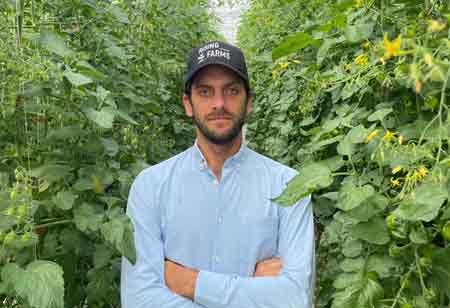
Mauricio Ricaud, Founder & CEO

It is nothing new to say that Mexico has tremendous potential to compete in international markets in agtech. This conversation has been going on since I can remember but we have not seen its full potential deployed. How can this be done? What is missing? My experience launching Rising Farms might help partially answer some of these questions.

Rising Farms was born in 2020 with the need to somehow, transform the agricultural industry in Mexico. This is easier said than done. We are not there yet, but we will get there. I have seen flashes of how can this transformation start with the following 4 pillars:

● Scalability: the high costs of construction of new facilities in the greenhouse industry have slowed down its growth. Very few good players have the money to grow fast and take advantage of the economies of scale that come with it. Organic growth of 1 or 2 hectares per year will not make a difference in the big picture. If the know-how is there, the potential can be scaled faster. According to a database from Queretaro state, there are 116 operations of less than 1 hectare, meaning the industry is pulverized in very small producers. Additionally, I remember that some years ago, reading a study from the Dutch embassy that stated that 60% of the protected agriculture industry in Mexico was non-operational due to different reasons, made me realize how can we take advantage of this and lease those facilities instead of constructing our own. That is how our business model started.

● Access to Financing: my experience has been that almost no one lends money to startups in agriculture. How can new ideas come forward and entrepreneurs thrive if the industry is unknown to banks, investment funds, and investors? They see the agriculture industry as high-risk so money goes somewhere else. Not owning several assets as real state collateral stops the due diligence processes to raise funds. Compared to access to financing in the United States, Mexico is just starting to change that mindset. More money needs to go to agriculture, with controlled risk, new ideas can revolutionize an industry that has not changed much in the last 20 years. Same dynamics, same products. Risk is controlled when the right know-how is there.

[QUOTE1_Replace]

● Sophistication: not because it’s agriculture it means the industry does not need processes, structure, and operational excellence. I have seen too many producers who operate informally and lack the structure this industry needs. Investing in top talent is the main barrier to sophisticated agriculture. If we want top quality products we need top quality teams. High-developing teams are born from people who have the know-how and the potential to lead. Very often, job candidates are either excellent in the technical aspect or leadership skills but not in both. Companies need to invest more money in talent, I see that in agriculture very commonly, the less they can pay the better and this means brain drain is too common to stabilize processes and continuous improvement. A phrase from the book "Good to Great" by Jim Collins says "People are not your most important asset, the right people are".

● Real Sustainability and Social Transformation: first let’s say that sustainability and social impact are mostly used to “greenwash” marketing campaigns more than to truly impact corporate strategies. Audiences are tired of “green logos” and inspiring phrases that do nothing more than they already did but with a new selling speech. The agriculture industry is sustainable by nature with enormous efficiencies like water (using less than 90% of traditional farming methods) so I believe the impact is not there but in the social pillar. Agtech is very intensive in manual labor, at Rising Farms we currently employ more than 400 people with a rotation of more than 15% per month. Why is rotation so big? Because there is nothing different from one employer to the other. People do not feel like they belong and social problems in their families are alarming. Substance abuse, violence, and other issues keep on pressing the feeling of belonging in a company and something needs to be done differently. I commonly hear “People are lazy”, “people do not want to work”, and “There are too many job offers and people are not afraid to lose their jobs”. There is some truth in that but I rather believe that we do not understand completely what drives a field worker in Mexico. It is not salary (but of course more than basic needs need to be met), it is not one position or the other (but position profiling is important) it is that companies manage field workers the same regardless of their age, psychological state, culture, language, etc. How can someone feel like they belong if there is no differentiation for them?

I do not want to sound negative, on the other hand, I want readers to understand the huge potential that exists and how we can use these opportunities to take the agricultural industry to the next stage. It is not magic; greatness is not a function of circumstance, greatness is largely a matter of conscious thought.